
Compare Local Contractors for Residential Insulation Services
Compare local contractors to define project scope, verify experience, and set clear expectations in writing for your residential insulation needs.
Residential insulation services typically encompass a range of work aimed at improving a home's energy efficiency and comfort. This includes installing or upgrading insulation materials within walls, attics, basements, and crawl spaces. The scope of work can vary depending on the property's design, existing insulation levels, and specific goals. Proper insulation installation involves selecting appropriate materials, ensuring correct placement, and sealing gaps that could lead to air leaks. Clear communication about the desired outcomes and the areas to be addressed is essential for property owners to ensure the project meets their needs.
Defining the scope of insulation work is a critical step in the process, as it helps establish expectations and prevents misunderstandings. A well-detailed scope outlines which parts of the home will be insulated, the types of materials to be used, and any preparatory work required. Having this information in writing can serve as a reference throughout the project, making it easier to verify that the work aligns with the initial plan. It also provides a basis for comparing proposals from different service providers, ensuring that each contractor understands the project's requirements and can deliver consistent results.
When evaluating local contractors for residential insulation, property owners should consider several factors to make informed comparisons. It's helpful to review each provider’s experience with similar projects and ask for examples of completed work. Verifying that contractors understand the scope and can clearly articulate their approach is important for setting realistic expectations. Additionally, obtaining detailed proposals that specify the work to be performed, materials to be used, and the scope of services can facilitate side-by-side comparisons. This approach assists property owners in selecting service providers who are capable of meeting their insulation needs with clarity and professionalism.
Compare local contractors by outlining your priorities, verifying experience, and setting clear expectations in writing.
- Compare Contractor Credentials - Review the experience and reputation of local contractors to ensure reliable service.
- Define Project Scope Clearly - Outline specific insulation needs and expectations to facilitate accurate proposals.
- Verify Experience and Expertise - Confirm that service providers have relevant background in residential insulation work.
- Document Agreements in Writing - Ensure all project details, scope, and expectations are documented to prevent misunderstandings.
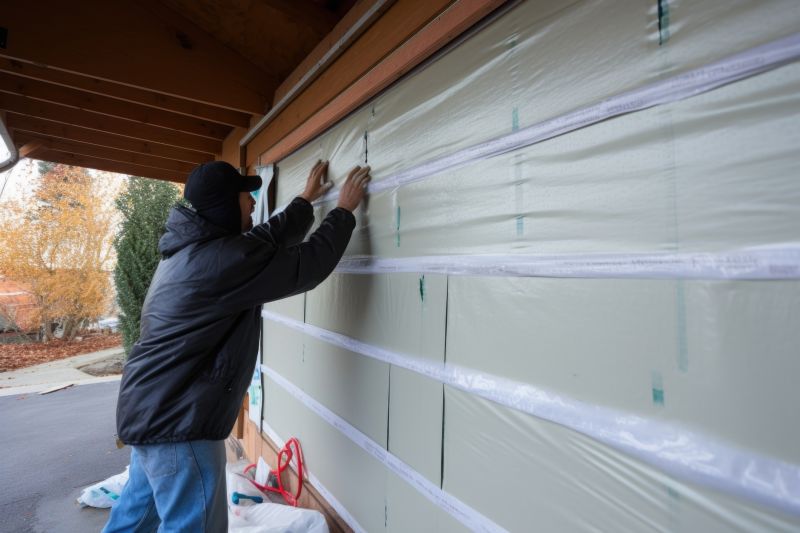
Clearly describe your insulation project to compare local contractors, verify their experience, and set expectations in writing.
- Verify experience and references of local contractors to ensure they have a proven track record with residential insulation projects. - Comparing multiple service providers helps identify those with relevant expertise and reliable work history.
- Define the scope of work clearly in writing, including areas to be insulated and types of insulation materials used. - Clear documentation helps prevent misunderstandings and sets expectations for the project.
- Ensure that contractors assess your home's specific insulation needs before providing recommendations or proposals. - Proper evaluation ensures the insulation solution is suitable for your home's design and insulation goals.
- Check that service providers are willing to provide detailed written estimates outlining the work to be performed. - Written estimates promote transparency and help compare different contractors effectively.
- Ask about the types of insulation materials offered and their suitability for your home's climate and construction. - Understanding material options assists in making informed decisions aligned with your preferences and needs.
- Confirm that contractors will include a detailed scope of work and any warranties or guarantees in the written agreement. - Clear documentation of scope and warranties helps protect your investment and ensures accountability.
Compare local contractors’ experience and services to clearly define your insulation project scope and expectations.
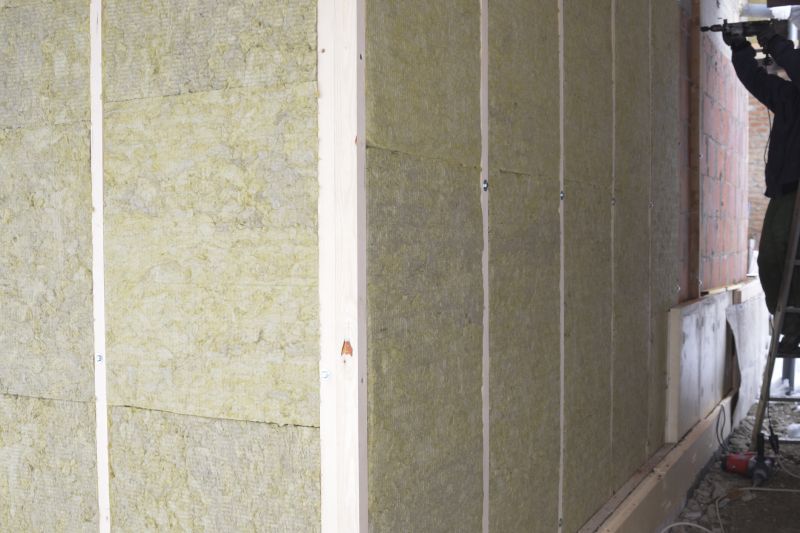

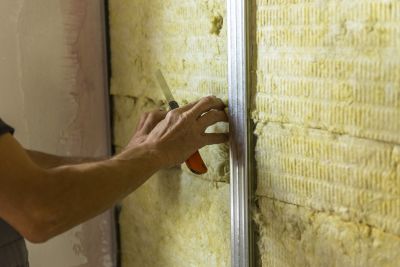
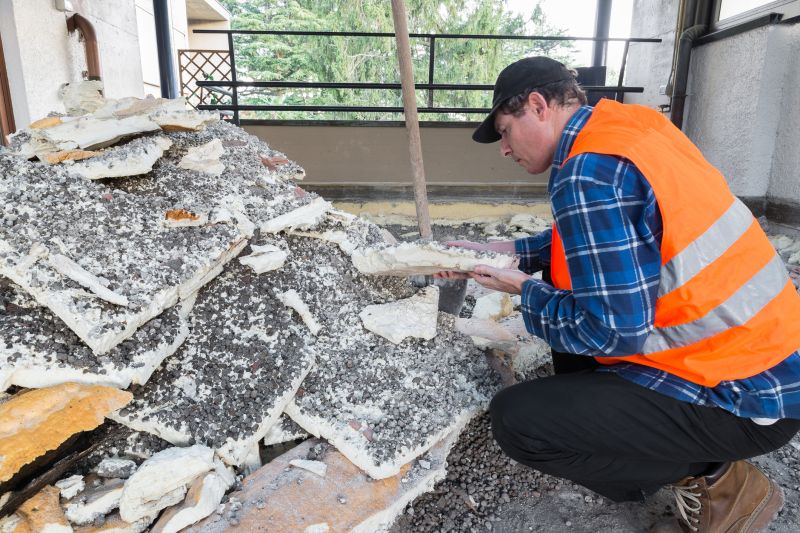
Use consistent criteria to compare local contractors, define project scope, verify experience, and document expectations clearly.
- Scope Definition - Clearly outline the specific areas and types of insulation to be installed or upgraded in the residence.
- Material Selection - Identify the insulation materials preferred or suitable for the project to ensure compatibility with the home.
- Experience Verification - Confirm that local contractors have relevant experience with residential insulation projects of similar scope.
- Work Specifications - Document detailed work requirements and expectations to guide the service providers and prevent misunderstandings.
- Project Documentation - Ensure all scope details and agreements are put in writing to establish clear expectations for the insulation service.
When comparing contractors for residential insulation services, it is essential to consider their experience with similar projects. Homeowners should inquire about the types of insulation work the service providers have completed and whether they have handled projects comparable in size and scope. Contractors with a history of working on homes similar to the one in question are more likely to understand the specific requirements and challenges involved, leading to a smoother process and more reliable results.
A clear, written scope of work is a vital component when evaluating options. Homeowners should seek detailed descriptions of the services included, such as the type of insulation to be installed, areas to be covered, and any preparatory work needed. Having a well-defined scope helps set expectations and ensures that all parties are aligned on what the project entails, reducing the likelihood of misunderstandings or overlooked tasks.
Verifying the basics of a contractor’s experience involves more than just asking about past projects; it includes reviewing references or testimonials, when available, and confirming that the contractor has a solid track record of completing jobs to a standard of quality. Homeowners can also ask about the process the service providers follow for quality assurance and how they handle unforeseen issues that might arise during installation. This verification helps build confidence in the contractor’s ability to deliver satisfactory results.
When evaluating options, homeowners should focus on how well the scope of work is documented, the contractor’s experience with similar projects, and the clarity of communication about the process. It is beneficial to compare how each service provider describes their approach and to ensure that expectations are set in writing before any work begins. This approach helps create a transparent process, making it easier to select a contractor who aligns with the homeowner’s needs and standards for quality.
Ask contractors to provide written scope details to ensure clear expectations and consistent project understanding.
- Experience and Credentials - What experience do local contractors have with residential insulation projects similar to yours?
- Scope of Work - How do contractors define and document the scope of insulation services to ensure clarity?
- Materials and Techniques - What types of insulation materials and installation methods do service providers typically recommend?
- Comparison of Services - How do local contractors differ in the range of insulation options and approaches offered?
- Written Estimates and Agreements - Do contractors provide detailed, written descriptions of the scope and materials included in their proposals?
How can homeowners compare residential insulation contractors? Homeowners should review credentials, experience, and customer references, and verify that the scope of work is clearly defined in writing to ensure a good match with service providers.
What should be included in a contractor’s scope of work for insulation services? The scope should detail the areas to be insulated, types of insulation materials to be used, and any preparation or cleanup steps involved, providing clarity for both parties.
How can homeowners verify the experience of local insulation contractors? Homeowners can ask for details about past projects, request references, and inquire about the types of insulation work the contractor has performed to assess their expertise.
Why is it important to have the scope of work in writing? Having a written scope helps set clear expectations, prevents misunderstandings, and provides a reference point for project completion and any potential issues.
What factors should be considered when choosing insulation contractors? Consider the contractor’s experience, reputation, clarity of the scope of work, and their ability to provide detailed written agreements to ensure a smooth process.
How can homeowners ensure the scope of work covers their insulation needs? Homeowners should communicate their goals clearly, review the proposed scope carefully, and ask contractors to specify materials, areas, and procedures involved in the project.
This page has highlighted the importance of understanding the scope of residential insulation projects, verifying the experience of service providers, and establishing clear expectations in writing. By comparing different local contractors, homeowners can make informed decisions that align with their specific needs. Utilizing the quote form provides a straightforward way to explore and evaluate available options in the area.
Encouraging visitors to use the quote form helps facilitate connections with trusted local contractors who can handle insulation projects effectively. Comparing multiple service providers ensures that homeowners can find the right fit for their home's requirements, making the process more transparent and tailored to individual preferences.